
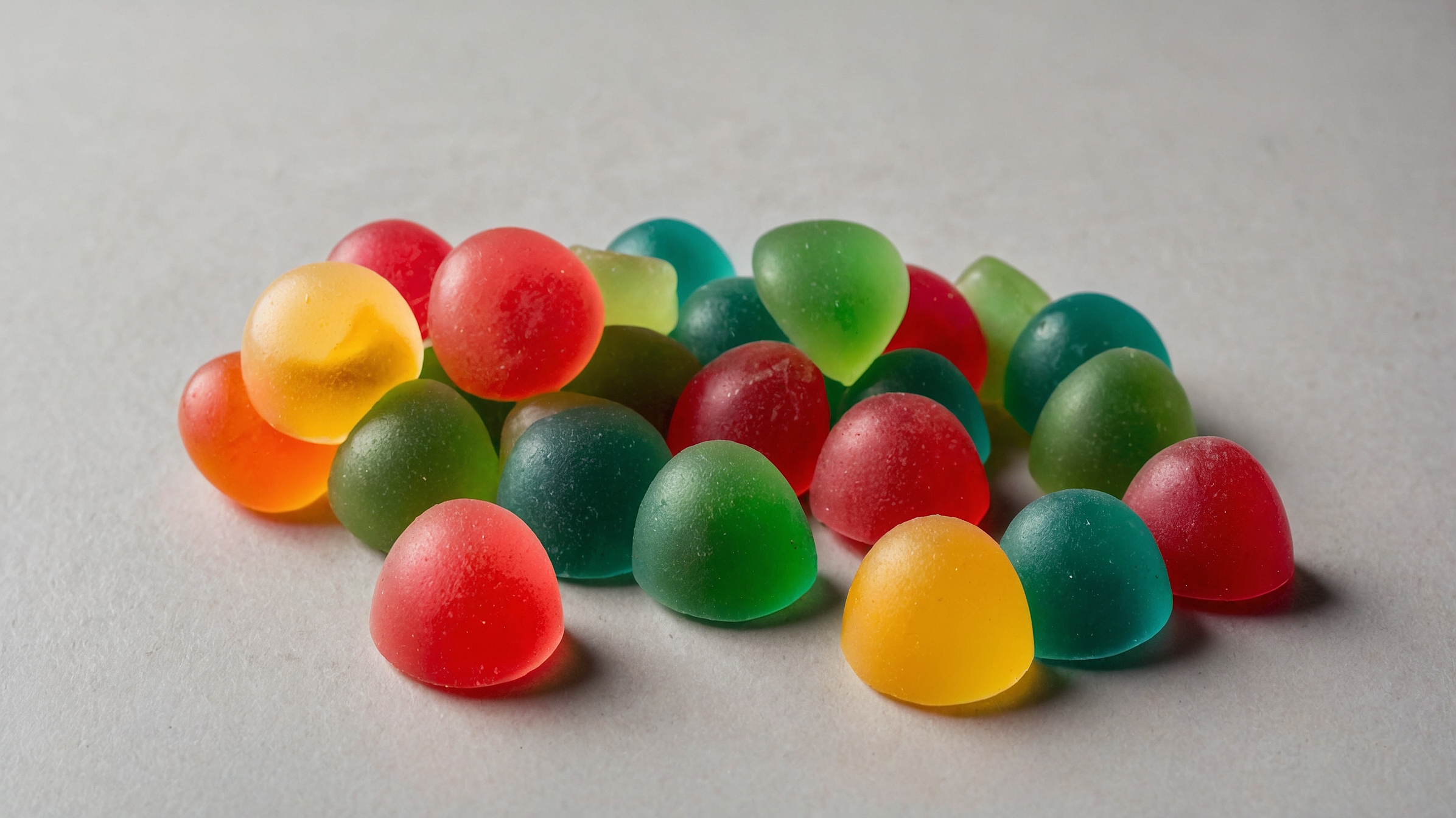
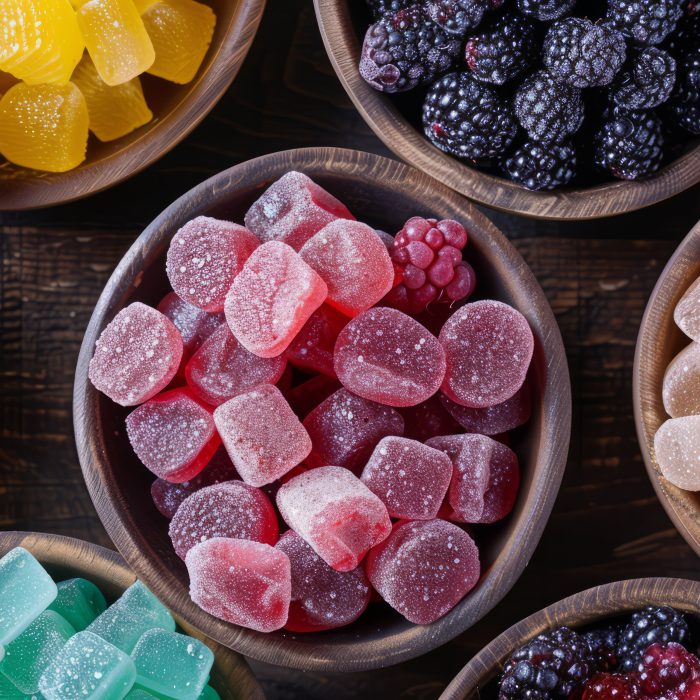
Sugar-free gummies are an attractive product for many, offering low-calorie sweetness. However, formulating sugar-free gummies can be challenging. Sugar plays a role in gummy structure and texture, and removing it affects the final product in several ways. Here’s what you need to know about sugar-free gummy production and the various sweetener alternatives available.
Challenges of Removing Sugar from Gummies
In traditional gummy recipes, sugar doesn’t just provide sweetness; it also serves as a bulking agent and plays a significant role in the gummy’s matrix. Without sugar, the texture, stability, and mouthfeel of the gummy can suffer. Achieving the right balance in sugar-free gummies involves choosing suitable sugar substitutes while avoiding issues like recrystallization, taste imbalance, or regulatory limitations.
Impact of Sweetener Choice on Claims
Another key challenge when formulating sugar-free gummies is the impact that the sweetener choice can have on product claims. For example, some sweeteners may introduce gluten or animal-based ingredients, affecting the ability to market your product as Gluten-Free or Vegan. Additionally, some sweeteners popular in markets like the USA are considered “novel foods” in the EU, requiring regulatory approval before they can be used in food products.
To avoid these pitfalls, it’s important to carefully consider the sweeteners you use and understand their regulatory status in the EU, especially when targeting European consumers.

Popular Sweetener Options for Sugar-Free Gummies
Here’s a look at the most commonly used sugar substitutes and the considerations for each:
Maltitol
- Best Use: Gummy Stability
- Claims: Vegan, Gluten-Free, Low-Calorie
- Benefits: Maltitol is a sugar alcohol that closely mimics sugar in both sweetness and texture. It helps maintain gummy stability and is relatively easy to work with during production.
- Considerations: Digestive discomfort can occur at high doses, but it is widely accepted in the EU and is a good choice for sugar-free formulations.
- Relative Cost: $$ (Moderate)
- Cost Comparison to Sugar: Maltitol is about 3 to 4 times more expensive than sugar, but its performance in gummy stability makes it a cost-effective choice.
Erythritol (in Combination with Tapioca Syrup)
- Best Use: Low-Sugar Gummies
- Claims: Low-Sugar, Vegan, Gluten-Free
- Benefits: Erythritol provides a texture similar to sugar and works well for low-sugar claims. When combined with tapioca syrup, it prevents recrystallization and keeps sugar content under 5g per 100g, making it ideal for low-sugar claims.
- Considerations: Erythritol can cause a cooling aftertaste, and on its own, it recrystallizes quickly, necessitating the use of other syrups or fibres.
- Relative Cost: $$$ (Moderately High)
- Cost Comparison to Sugar: Erythritol is about 4.5 to 7 times more expensive than sugar, and when combined with tapioca syrup, the cost rises further.
Oligofructose & Isomalto-Oligosaccharide Syrup
- Best Use: Fibre-Enriched Gummies
- Claims: Prebiotic, Low-Sugar, Gluten-Free
- Benefits: These prebiotic syrups provide both sweetness and fiber, which adds nutritional value to the gummies. They are particularly good for health-conscious consumers seeking gut health benefits.
- Considerations: These syrups require careful formulation, especially when incorporating active ingredients like vitamins or botanicals, as they may affect gummy stability.
- Relative Cost: $$$ (Moderately High)
- Cost Comparison to Sugar: Oligofructose is about 5 to 7 times more expensive than sugar, largely due to their added functional benefits as prebiotics.
Soluble Corn Fibre
- Best Use: As a Bulking Agent
- Claims: Vegan, Gluten-Free
- Benefits: Soluble corn fibre acts as a bulking agent while maintaining gummy texture. It’s ideal for formulations where you need to retain structure without adding sugar.
- Considerations: Be cautious when sourcing, as some corn fibres may contain trace gluten. Always verify with your supplier to ensure compliance with gluten-free claims.
- Relative Cost: $$ (Moderate)
- Cost Comparison to Sugar: Soluble corn fibre is about 2–3 times more expensive than sugar but necessary for creating bulk in sugar-free formulations.
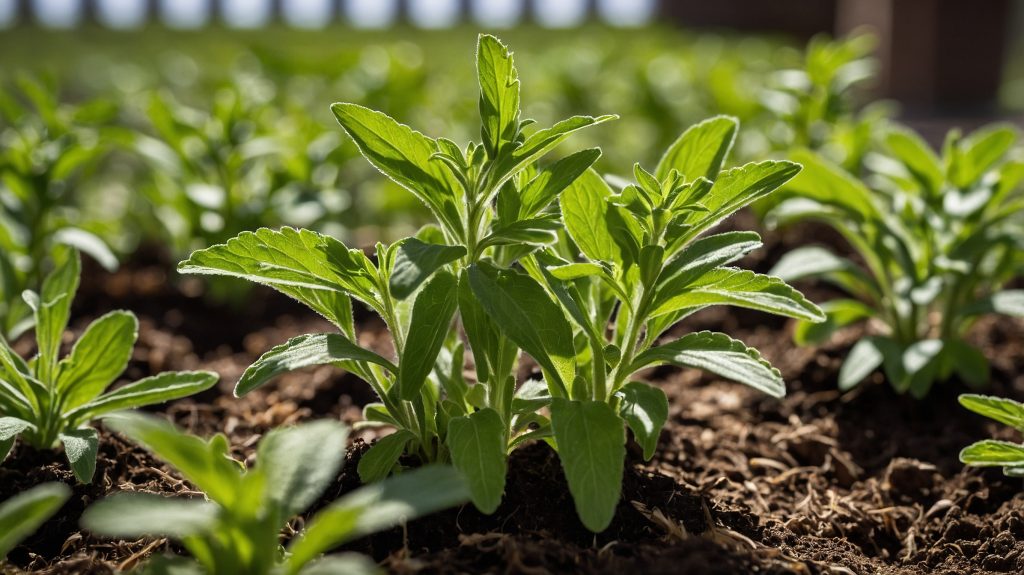
Stevia
- Best Use: Sugar-Free, Natural Sweetener
- Claims: Zero-Calorie, Vegan, Gluten-Free, Natural
- Benefits: Stevia is a natural sweetener, offering intense sweetness at zero calories. It’s ideal for completely sugar-free claims and appeals to consumers looking for natural options.
- Considerations: Stevia can have a bitter aftertaste, which might require flavour masking. It also needs to be paired with a bulking agent to create the right gummy texture.
- Relative Cost: $$$$ (High)
- Cost Comparison to Sugar: Stevia is significantly cheaper than sugar due to its high concentration (200 to 300 times sweeter), despite the high price per kg.
Monkfruit
- Best Use: Natural Sweetener (Pending EU Approval)
- Claims: Zero-Calorie, Natural, Vegan
- Benefits: Monk Fruit is a natural, non-caloric sweetener that offers a pleasant sweetness with no aftertaste. However, it’s currently classified as a novel food in the EU and is awaiting regulatory approval.
- Considerations: Monkfruit’s regulatory status limits its use in the EU, though it is widely used in the U.S. Once approved, it could be a valuable sweetener for sugar-free products.
- Relative Cost: $$$$ (High)
- Cost Comparison to Sugar: Monk Fruit is considerably cheaper than sugar due to its high sweetness (150 to 200 times sweeter), despite its high price per kg.
Xylitol
- Best Use: Low-Calorie, Sugar-Free Formulations
- Claims: Low-Calorie, Vegan, Gluten-Free, Dental Health Benefits
- Benefits: Xylitol is commonly used in sugar-free products due to its sweetness and ability to mimic sugar’s texture. It is also tooth-friendly, making it a popular choice for oral health products.
- Considerations: Xylitol can cause digestive issues in high doses and is toxic to pets, so care must be taken in marketing and product labelling.
- Relative Cost: $$$ (Moderately High)
- Cost Comparison to Sugar: Xylitol is about 7 to 10 times more expensive than sugar, but its multifunctional benefits make it a popular choice despite the cost.
Allulose
- Best Use: Low-Calorie, Sugar-Free Gummies
- Claims: Low-Calorie, Vegan, Gluten-Free, Diabetic-Friendly
- Benefits: Allulose has a similar taste and texture to sugar but with only a fraction of the calories. It’s also suitable for diabetic-friendly products due to its minimal impact on blood sugar levels.
- Considerations: Allulose is currently a novel food in the EU, so regulatory approval is required before it can be used in the European market.
- Relative Cost: $$$$ (High)
- Cost Comparison to Sugar: Allulose is about 11 to 18 times more expensive than sugar due to its rarity and novel food status.
Inulin
- Best Use: Prebiotic, Fiber-Enhanced Gummies
- Claims: Prebiotic, Vegan, Gluten-Free
- Benefits: Inulin is a natural sweetener with mild sweetness and fibre content, making it a great choice for consumers seeking digestive health benefits.
- Considerations: Inulin’s sweetness is relatively low compared to sugar, so it is often paired with other sweeteners. High doses can lead to digestive discomfort.
- Relative Cost: $$$ (Moderately High)
- Cost Comparison to Sugar: Inulin is about 6 to 9 times more expensive than sugar when factoring in its lower sweetness.
Sucralose
- Best Use: High-Intensity Sweetener
- Claims: Zero-Calorie, Vegan, Gluten-Free
- Benefits: Sucralose is about 600 times sweeter than sugar and is widely used in sugar-free products. Its heat stability makes it a good fit for gummy production.
- Considerations: Sucralose is extremely concentrated, so only a small amount is needed, but it must be paired with a bulking agent for gummy formulations.
- Relative Cost: $$ (Moderate)
- Cost Comparison to Sugar: Sucralose is significantly cheaper than sugar on a per-sweetness basis due to its high intensity, requiring only 0.2% of the amount of sugar.
Sorbitol
- Best Use: Sugar-Free, Low-Calorie Gummies
- Claims: Low-Calorie, Vegan, Gluten-Free
- Benefits: Sorbitol is a sugar alcohol that provides a similar texture to sugar, making it useful in sugar-free gummy formulations.
- Considerations: Sorbitol can cause digestive discomfort in high doses. It is often combined with other sugar alcohols like Maltitol to reduce issues like recrystallization.
- Relative Cost: $$ (Moderate)
- Cost Comparison to Sugar: Sorbitol is about 2–3 times more expensive than sugar, but its wide availability and stability make it a popular choice.
Tagatose
- Best Use: Low-Glycemic Index Gummies
- Claims: Low-Calorie, Diabetic-Friendly, Vegan, Gluten-Free
- Benefits: Tagatose has a similar taste and texture to sugar but with fewer calories and a lower glycemic index, making it ideal for diabetic-friendly products.
- Considerations: It can be more expensive and difficult to source, especially in the EU, where it may be considered a novel food.
- Relative Cost: $$$$ (High)
- Cost Comparison to Sugar: Tagatose is about 9 to 14 times more expensive than sugar due to its rarity and benefits for blood sugar control.
Agave Syrup
- Best Use: Natural Sweetener
- Claims: Natural, Vegan
- Benefits: Agave syrup is a natural sweetener that offers a low-glycemic index, making it a popular option for health-conscious consumers. It adds a pleasant flavour and can reduce sugar content without compromising texture.
- Considerations: Agave syrup is still a sugar and won’t fit into “sugar-free” claims. It also tends to be more expensive and introduces moisture that may affect gummy stability.
- Relative Cost: $$$ (Moderately High)
- Cost Comparison to Sugar: Agave syrup is about 3.5 to 6.5 times more expensive than sugar due to its natural sourcing and higher sweetness.
Maple Syrup
- Best Use: Flavorful, Natural Sweetener
- Claims: Natural, Vegan
- Benefits: Maple syrup adds a unique, rich flavor to gummies and is a natural sweetener preferred by some consumers. It provides a more complex sweetness, making it a premium option.
- Considerations: Like agave, maple syrup contains sugars, so it won’t qualify as sugar-free. It also introduces additional moisture into the gummy matrix, which may require adjustments to stabilise the product.
- Relative Cost: $$$$ (High)
- Cost Comparison to Sugar: Maple syrup is about 35 to 40 times more expensive than sugar and is often viewed as a premium ingredient.
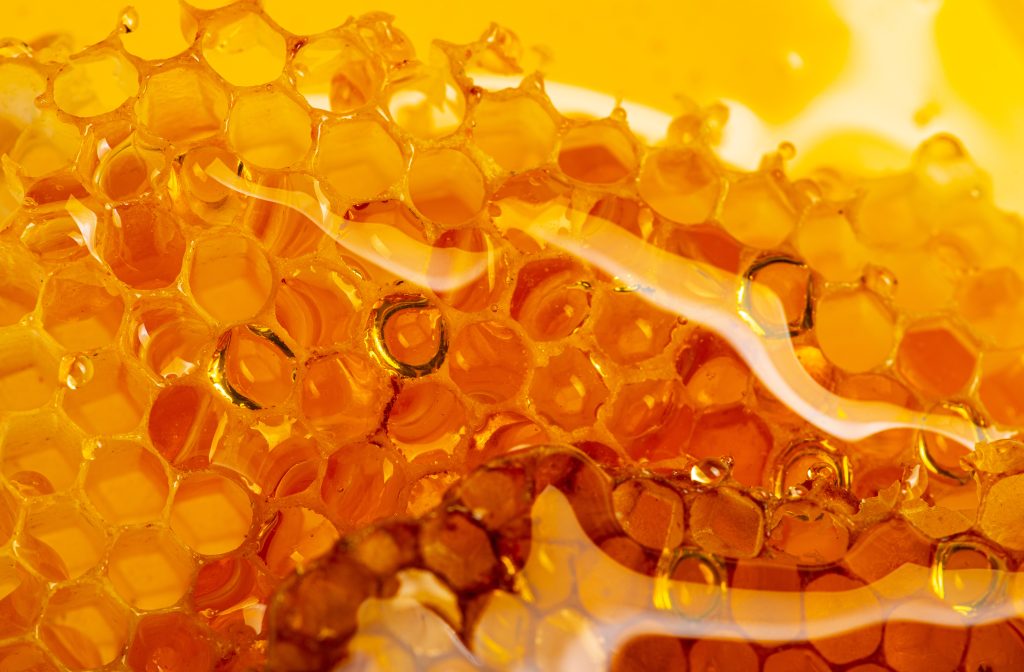
Honey
- Best Use: Natural Sweetener (Non-Vegan Option)
- Claims: Natural, Gluten-Free
- Benefits: Honey is a natural sweetener that adds a recognizable ingredient to gummy formulations. It works well in low-sugar gummies while adding flavor and maintaining structure.
- Considerations: Honey is not vegan, which limits its use in plant-based products. It also won’t fit into sugar-free claims, but it can work for reduced-sugar formulations. Once heated in the production process, honey loses some of its properties and must be labelled as honey aroma rather than honey.
- Relative Cost: $$ (Moderate)
- Cost Comparison to Sugar: Honey is about 2–4 times more expensive than sugar, but its natural and recognizable status makes it appealing to certain consumer segments.
Final Thoughts: Customising Your Sugar-Free Gummy Formulation
Choosing the right sweetener for your sugar-free gummies depends on a careful balance between taste, texture, claims, and cost. Popular sweeteners like Maltitol, Erythritol, and Stevia offer solid options, but depending on your target claims (e.g., Low-Sugar, Vegan, Gluten-Free), other options like Agave, Honey, and Allulose may provide added benefits.
The cost of these sweeteners can vary widely, often being 2–10 times the cost of sugar. However, with consumer demand for sugar-free and low-sugar products on the rise, investing in high-quality, functional sweeteners is an essential strategy for success.
Next Steps
Contact us today to discuss your project and explore how we can help you create sugar-free gummies that meet your brand’s goals and satisfy consumer demand.
Bibliography
Scientific Articles on Health Implications of each sweetener:
Maltitol:
Research: Maltitol: Analytical Determination Methods, Applications in the Food Industry, Metabolism and Health Impacts
Quote: “According to our main research outcome, we can assume that maltitol at lower doses poses little risk to humans and is a good alternative to using sucrose.”
Erythritol:
Research: Sugar Alcohols—their role in the modern world of sweeteners: a review
Quote: “Erythritol is well-tolerated, non-glycemic, and does not promote tooth decay. It is rapidly absorbed in the small intestine and excreted unchanged in urine, with few digestive side effects even at high doses.”
Oligofructose:
Research: The Effects of Prebiotics such as Oligofructose on Gut Health
Quote: “Oligofructose is beneficial for gut health as it promotes the growth of beneficial bacteria, which contributes to digestive health and can also improve metabolic markers.”
Stevia:
Research: Stevia-derived Compounds as a Sugar Alternative
Quote: “Stevia, as a non-caloric sweetener, has shown potential in reducing blood sugar levels and improving insulin sensitivity, making it an attractive option for managing type 2 diabetes.”
Monkfruit:
Research: Siraitia grosvenorii and its Health Benefits
Quote: “Monkfruit, although a novel food in the EU, contains mogrosides, which offer antioxidant benefits and do not impact blood glucose levels, making it suitable for diabetic individuals.”
Xylitol:
Research: The Role of Xylitol in Dental Health
Quote: “Xylitol has been found to reduce the growth of bacteria that cause cavities, making it beneficial for oral health, particularly in chewing gum formulations.”
Allulose:
Research: Allulose’s Effect on Blood Sugar and Insulin Response
Quote: “Allulose has minimal impact on blood sugar and insulin levels, offering promise for those with diabetes while providing sweetness comparable to sugar.”
Inulin:
Research: Inulin-type Fructans and Health: Benefits in Gut Health
Quote: “Inulin acts as a prebiotic, supporting gut health by fostering the growth of beneficial bacteria, and has been linked to improved digestive and metabolic health.”
Sucralose:
Research: Health Effects of Sucralose Consumption
Quote: “Sucralose is calorie-free and provides no effect on blood glucose levels, making it a popular sugar alternative, although some studies have raised concerns about potential long-term health effects.”
Sorbitol:
Research: Sorbitol’s Role in Digestive Health and Its Effects as a Laxative
Quote: “Sorbitol is used in sugar-free products but can cause gastrointestinal discomfort at higher doses, commonly acting as a laxative in sensitive individuals.”
Tagatose:
Research: Tagatose’s Potential in Glycemic Control
Quote: “Tagatose has a low glycemic index, making it a suitable sweetener for people with diabetes, and it also exhibits prebiotic properties, benefiting gut health.”
Agave Syrup:
Research: Agave Syrup as a Low Glycemic Sweetener
Quote: “Agave syrup is lower in glucose than traditional sweeteners, making it a better option for blood sugar management, but it is still a high-fructose product and should be consumed in moderation.”
Maple Syrup:
Research: Health Benefits of Maple Syrup Components
Quote: “Maple syrup contains antioxidants and certain minerals like manganese, offering more nutritional benefits than refined sugar, but it’s high sugar content limits its use in large quantities.”
Honey:
Research: Health Effects of Honey Consumption
Quote: “Honey contains antioxidants and has antibacterial properties, making it beneficial for certain health conditions, though it remains a high-sugar sweetener and should be consumed sparingly.”



 English
  German
  French
  Spanish
  Dutch
Dutch