
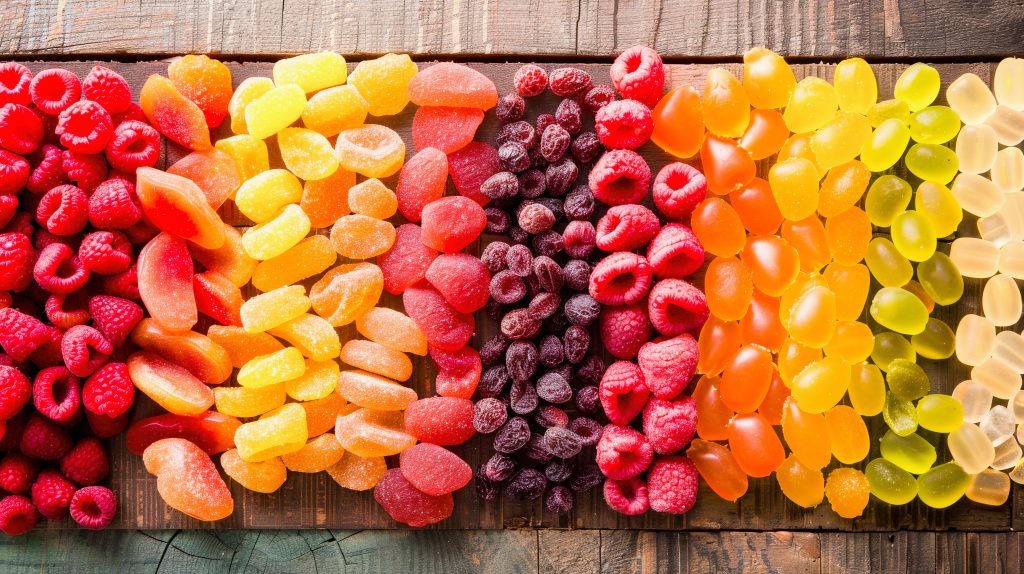
In the world of functional and health-oriented gummies, the selection of ingredients plays a vital role in the overall product quality, functionality, and consumer appeal. One of the key considerations when developing gummies is the choice between gelatin and pectin as the gelling agent. Additionally, deciding between sugar-based, low-sugar, or sugar-free formulations can significantly impact the final product’s texture, taste, and health benefits. Let’s explore these aspects in detail.

Gelatin vs. Pectin: Choosing the Right Gelling Agent
The gelling agent forms the base of the gummy, defining its texture, firmness, and even how it dissolves in the mouth. The choice between gelatin and pectin largely depends on your target consumer, dietary preferences, and the intended health benefits.
Gelatin-Based Gummies
Gelatin is a protein derived from animal collagen, commonly sourced from pork or beef. It is known for its ability to create a chewy, elastic texture and is widely used in traditional gummy formulations.
Benefits of Gelatin:
- Chewy and Elastic Texture: Gelatin provides a familiar gummy bear texture that many consumers expect.
- Protein Source: Since gelatin is derived from collagen, it can offer protein content, which some consumers find appealing.
- Gut Health Benefits: Collagen-based products like gelatin may support gut health by enhancing digestion and healing the intestinal lining.
- Cost-Effective: Gelatin is generally more affordable and accessible compared to other gelling agents like pectin.
Considerations:
- Not Vegan or Vegetarian: Gelatin is animal-derived, making it unsuitable for those following plant-based diets.
- Temperature Sensitivity: Gelatin gummies may melt or become sticky at higher temperatures, requiring careful storage and transport conditions.
Pectin-Based Gummies
Pectin is a plant-based gelling agent derived from fruits, particularly apples and citrus. It is widely used in vegan or vegetarian gummies and is known for creating a less elastic, less chewy texture.
Benefits of Pectin:
- Vegan-Friendly: Pectin is plant-based, making it suitable for a broader audience, including vegetarians and vegans.
- High-Fiber Content: As a soluble fiber, pectin may support digestive health and help lower cholesterol.
- Stable at Higher Temperatures: Pectin-based gummies are more heat-resistant, which can improve shelf life and storage conditions.
- Cleaner Label: Pectin is often perceived as a more natural ingredient, appealing to health-conscious consumers looking for clean-label products.
Considerations:
- Different Texture: Pectin gummies tend to be firmer and less chewy than gelatin, which may not appeal to all consumers.
- Higher Cost: Pectin is generally more expensive than gelatin, which can impact pricing and production costs.
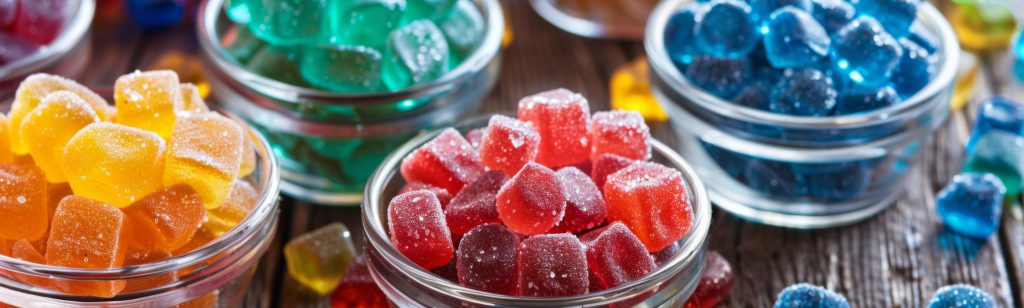
Sugar vs. Sugar-Free and Low-Sugar Gummies: Balancing Taste and Health
Once you’ve decided on your gelling agent, the next critical choice is the sweetening system. Traditional gummies are known for their sugary, sweet flavor, but as consumers become more health-conscious, there’s a growing demand for sugar-free and low-sugar options.
Sugar-Based Gummies
Sugar and glucose syrup are the traditional sweeteners in gummies, providing a sweet flavour, soft texture, and shiny appearance.
Benefits of Sugar-Based Gummies:
- Superior Taste: Sugar enhances the flavour profile of gummies, making them more palatable, especially when masking the taste of active ingredients like vitamins or herbal extracts.
- Soft Texture: Sugar and glucose syrup contribute to the soft, smooth texture that consumers expect from gummies.
- Affordable: Sugar and glucose syrup are relatively inexpensive, helping to keep production costs low.
Considerations:
- High in Calories: Sugar-laden gummies can contribute to excessive calorie intake, which is a concern for health-conscious consumers.
- Not Suitable for Diabetics: High sugar content excludes a significant portion of the population, such as those managing diabetes or those on low-carb diets.
- Cavities and Dental Issues: Sugar can contribute to tooth decay, which is a concern for parents when choosing gummies for children.
Sugar-Free and Low-Sugar Gummies
With increasing concerns about sugar intake, sugar-free and low-sugar gummy formulations are gaining popularity. These often use sugar alcohols, such as maltitol, or alternative sweeteners like stevia or monk fruit.
Benefits of Sugar-Free and Low-Sugar Gummies:
- Fewer Calories: Sugar-free and low-sugar options significantly reduce the calorie content, making them suitable for weight-conscious consumers.
- Diabetic-Friendly: Using sugar alternatives allows these gummies to be consumed by individuals with diabetes or those following low-glycemic diets.
- Reduced Dental Risks: Sugar substitutes like xylitol have been shown to help reduce the risk of cavities, making them a safer choice for dental health.
Considerations:
- Taste and Aftertaste: Some sugar substitutes can leave an undesirable aftertaste or alter the flavour profile of the gummies, lessening overall palatability.
- Laxative Effect: Sugar alcohols, particularly in high doses, can cause gastrointestinal discomfort, including bloating and laxative effects.
- Cost: Sugar alternatives tend to be more expensive than traditional sugar, which can increase production costs.
Conclusion: Finding the Right Balance
Developing healthy gummies requires a delicate balance between taste, texture, and health benefits. Gelatin and pectin both offer distinct advantages and cater to different consumer preferences, so your choice will depend on whether your target audience prioritises chewiness or a plant-based diet. Similarly, while traditional sugar-based gummies may offer the best flavour and texture, sugar-free and low-sugar formulations are essential for meeting the demands of health-conscious consumers.
The best approach is to carefully consider your product’s goals and the needs of your target market. Whether you’re creating a protein-packed gelatin gummy for fitness enthusiasts or a pectin-based, low-sugar gummy for the vegan community, the key to success lies in creating a balanced, enjoyable, and healthy product.
Next Steps
Contact us today to discuss your project and explore how we can help you create healthy gummies that meet your brand’s goals and satisfy consumer demand.



 English
  German
  French
  Spanish
  Dutch
Dutch